
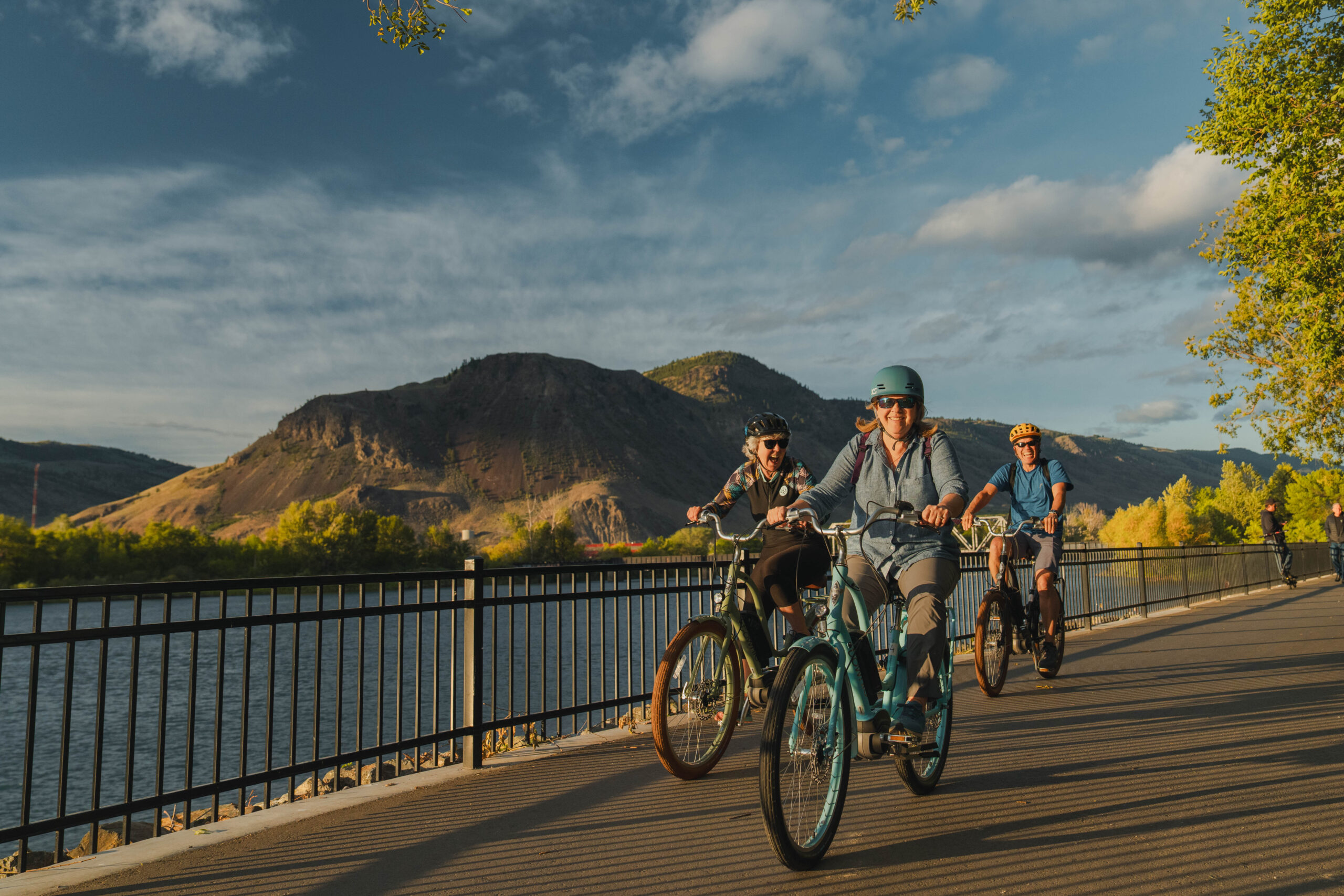
ORCBC conference in Kamloops will bring together recreation leaders from across B.C.
Outdoor recreation leaders from across British Columbia will gather in Kamloops this spring for the 2026 conference hosted by the Outdoor Recreation Council of British Columbia. The event, titled Building Stronger Communities Through Outdoor Recreation, will take place May 20–22 at Thompson Rivers University.
The three-day conference will bring together outdoor clubs, recreation planners, First Nations partners, government representatives and industry professionals to discuss key issues affecting recreation across the province.
Ryan Stuart, Community Engagement Lead with ORCBC, helped develop the event’s programming by speaking directly with members of the organization’s wide network of recreation groups.
“About a year ago, when we decided to host the conference, Louise Peterson asked me if I would manage the programming and figure out what the membership wanted to hear about,” Stuart said. “I already spend a lot of time talking with our members, so it made sense to reach out and ask what they wanted to learn and who they wanted to hear from.”
ORCBC represents a broad spectrum of outdoor recreation users across the province, including paddling clubs, mountain bikers, anglers, off-road vehicle users and conservation organizations. While those groups may have different activities, Stuart said the conference is meant to highlight the common ground between them.
“A big part of what we hope to do is bring people together and show that the things that might cause conflicts between groups often aren’t that big of a deal,” he said. “There’s a lot we can work on together, and when we do that, we have a bigger voice and a bigger impact.”
The 2026 conference also marks the council’s 50th anniversary, providing an opportunity to reflect on how outdoor recreation has evolved in the province.
“This is a big anniversary, a big birthday party,” Stuart said. “We’re looking back at how we got here, the accomplishments and challenges, and the people who helped build the outdoor recreation community.”
Alongside that reflection, the program will also focus heavily on planning for the future of recreation in B.C. Topics will include land-use planning, trail development and how recreation fits alongside other land uses such as forestry, mining and wildlife habitat.
“Recreation needs to have a voice at the tables where those decisions are made,” Stuart said. “We have to make sure it’s considered alongside other industries operating in the province.”
Access to recreation areas is another major concern for many outdoor groups. Stuart noted that forestry and resource roads are often essential routes to trailheads, lakes and other destinations, making their maintenance and availability a significant issue.
Another challenge facing recreation organizations is funding. Many of the clubs responsible for building and maintaining trails, campgrounds and other outdoor infrastructure rely heavily on volunteers.
“These clubs create and maintain opportunities that people use all the time,” Stuart said. “They provide huge value to communities, whether it’s for tourism or the physical and mental wellbeing of people who spend time outdoors.”
Kamloops was selected as the conference location in part because of its reputation as a recreation hub and its proximity to diverse landscapes and activities.
The program will also include outdoor sessions and activities designed to connect participants with the environment they work to support.
For Stuart, the goal of the conference is ultimately practical, ensuring the ideas shared during the event help strengthen recreation across the province.
“I hope people take something home that helps them in their work or volunteering,” he said. “If everyone leaves with something useful, that helps build a more resilient and sustainable outdoor recreation community in B.C.”
More information on the conference and the work of ORCBC can be found here www.orcbc.ca