
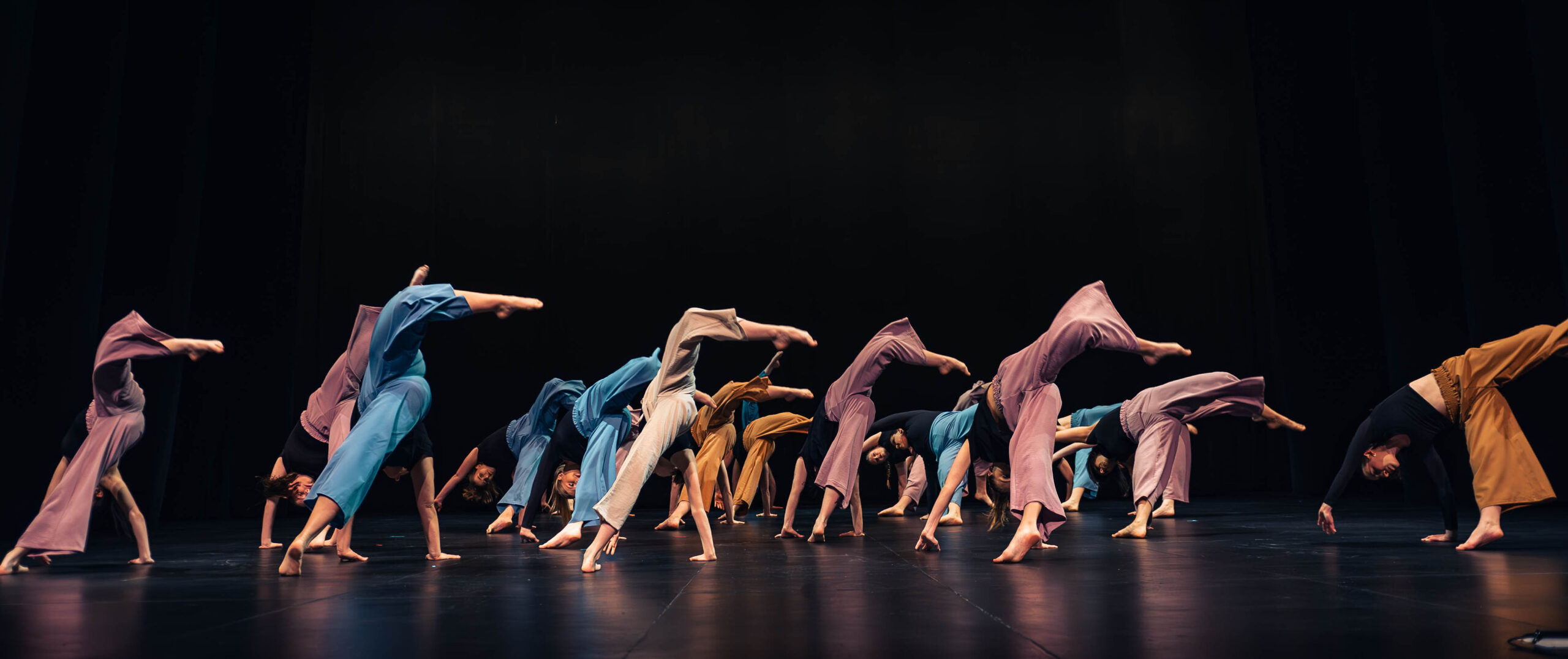
For generations of Kamloops families, the Festival of Performing Arts has been a part of their creative lives. Performers of all genres and abilities come and meet with encouraging adjudicators while parents sit nervously on the sidelines. Young artists learn, grow, and realize that their voices matter. Year after year, through changing times, changing faces, and changing stages, the Festival of Performing Arts has been a part of Kamloops for almost as long as the settlers have.
“It is the 93rd year. It started in 1930,” said Annette Glover, a member of the festival’s publicity team and longtime volunteer.
Starting with just a handful of early settlers, the festival has since grown into a three-week celebration of music, dance, speech, and performance. This year it is taking place from Feb. 22 to March 15 and wrapping up, as always, with the Honors Concert. Nearly 1,000 performances across 10 disciplines adjudicated by professional artists from across the country will be taking part in this amazing celebration of all things performance.
Participants can enter choral, instrumental music, piano, voice, strings, dance, and speech and dramatic arts, among others. The festival itself is incredibly inclusive andGlover emphasized that accessibility has always been very important to the festival’s mission. “There are no prerequisites,” she said. “There are classes by age and category within each discipline.”
For many young performers, the festival is about much more than scores and certificates (though those are cool, too). It is about learning how to walk onto a stage full of nerves and walk off feeling like a superstar. It is about seeing in real time that effort, encouragement, and the support of one’s community matter.
“It is more of a supportive atmosphere and congratulatory,” Glover said, noting that performers regularly cheer one another on, especially backstage at venues like the Sagebrush Theatre.
That supportive energy carries on well past the actual event. Some participants go on to perform with Western Canada Theatre or the Kamloops Symphony Orchestra. Some build careers in the arts. Others take that energy into classrooms, offices, boardrooms, and the world around them.
Over the decades, participants have included teachers, musicians, lawyers, and community leaders, who were all shaped in some way by their experiences in the performing arts.
For Glover, the connection is personal. Her mother did the festival, she did the festival, and she became really involved when her daughter spent years participating in dance.
After retiring, Glover chose to volunteer as a way of giving back.
The festival, itself, is run almost entirely by volunteers.
From hiring adjudicators and booking venues to selling programs and managing schedules, volunteers quietly keep everything running. During the three-week festival alone, between 75 and 100 people donate their time and skills.
Those volunteers come from all walks of life, including parents, retired teachers, musicians, theatre professionals, administrators, and even software specialists. People who show up year after year, because they believe in what this festival offers young people.
“It involves the whole community,” Glover said.
Members of the public are encouraged to attend performances throughout the festival. While any session offers a glimpse of local talent, the Honors Concert is where things really shine. Rather than showcasing only the highest scores, adjudicators select performances that create a balanced, engaging evening. Scholarships, awards, and provincial recommendations are also presented.
As for Glover, she said that volunteering remains one of the most rewarding parts of her involvement.
She recalled hearing a performance so amazing that it drew her right out of her seat from a young musician who later went on to national success.Moments like that, she said, are why people return year after year. Not just for the music or the applause, but for the experience of watching someone discover what they are truly capable of.
As the Kamloops Festival of Performing Arts approaches its hundredth year, its strength is still about the people who take part. The performers who walk up onto the stage. The families who support them. The volunteers who keep the tradition alive.